







U.S.–Vietnam Tariff Deal Adds Option for Lighting Sourcing Strategy
On 2 July 2025, the administration announced a bilateral trade framework with Vietnam. Over the years, many lighting manufacturing plants have emerged in Vietnam. However, most of the ones we are familiar with are based in China and utilize Vietnam as a secondary location to benefit from lower tariffs.
We have a sister company, LumEfficient, which focuses on heavy industrial lighting. We are constantly solicited by Chinese manufacturers claiming to have products manufactured in Vietnam. This new agreement now adds Vietnam as a viable sourcing option.
Key Deal Components
-
U.S. Tariff on Vietnamese Imports:
Reduced from a proposed 46% to 20%—a significant relief for many importers. -
Tariff on Transshipped Goods:
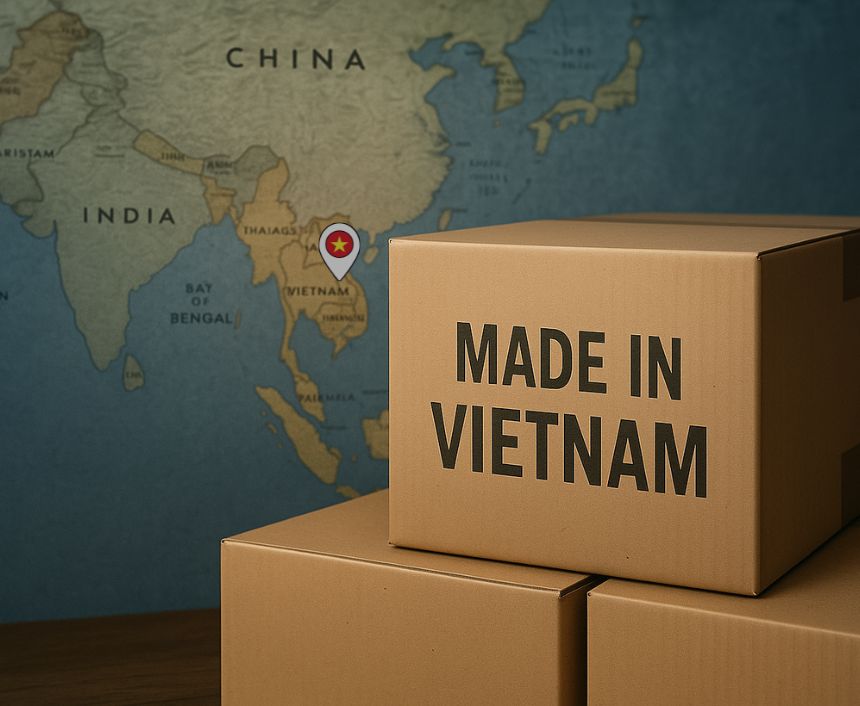
A 40% levy aimed squarely at goods routed through Vietnam. The administration made clear this is intended to curb Chinese products labeled as “Made in Vietnam” entering the U.S. supply chain. -
Vietnam’s Market Access:
Vietnam agreed to eliminate tariffs on U.S. exports, granting “total access” to American products.
Strategic Context
Vietnam—a country whose 30% of GDP depends on U.S. trade—views the 20% tariff as manageable, especially compared to the looming threat of 46% earlier this year. According to an article in The Times of India, trade experts have raised legal concerns about the transshipment provision because it does not accurately determine the true country of origin.
This deal follows a pattern that we have closely tracked at EdisonReport. Earlier this spring, in our coverage of the U.S.–China tariff thaw (read here), we noted that large lighting companies had already begun relocating portions of their supply chains to Vietnam and Mexico to hedge against risk. Similarly, in our April analysis of Mexico’s emerging advantage (read here), we reported how tariff pressures were prompting a broader re-evaluation of sourcing.
These dynamics are now intensifying. Suppliers who have been marketing “Vietnamese origin” products without clear chain-of-custody documentation could face significant penalties under the new enforcement focus on transshipment.
Bottom Line
While a 20% rate is better than the alternative, it still erodes cost advantages over Mexico and domestic production.
For more background on how tariffs are transforming the lighting industry, you can explore our recent coverage: