







Why the Lepro Case Appears Different — Lepro Motions Show Signify Strategy
The newest filings in the Lepro-Signify patent dispute give us a revealing look at how each side plans to approach the January 2026 trial. The latest Lepro motions in limine expose a simple but important point: Lepro wants a narrow trial focused on patents, while Signify seems to prefer a broader narrative. The Lepro motions Signify strategy clash defines the tone of the upcoming courtroom battle.
From the filings, it’s clear that Lepro wants to strip the trial of storytelling and keep it grounded in patent law. Signify, based on these motions, appears ready to introduce topics that go beyond patents. Those include corporate identity, ownership structure, and even comments about copying. Each side is fighting not only over facts, but also over the frame of the case.
Lepro argues that Signify plans to tell a story meant to embarrass them — a story that paints them as a bad-actor competitor. Lepro counters with a direct point: these details do not change whether their products infringe or not. Patent cases, they argue, should rely on technical analysis. Not emotion. And not character attacks.
What the Motions Try to Stop
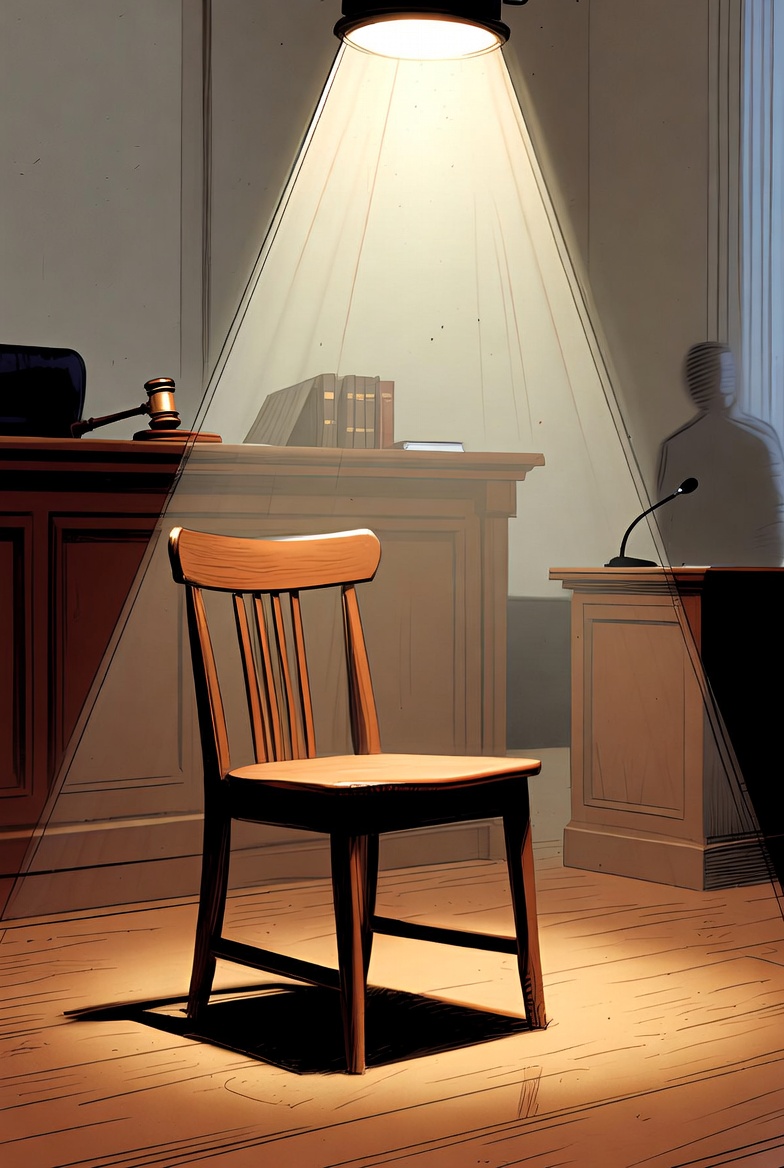
One motion pushes to exclude anything related to who shows up at trial. Lepro does not want Signify pointing at an empty chair and asking jurors why a certain executive stayed home. That tactic can influence jurors emotionally. It implies guilt without evidence.
Lepro cites language used in federal patent cases that bars “trying the empty chair.” The request is simple: judge the case on the evidence presented. Not on who sits, or does not sit, in the courtroom.
Another motion asks the court to exclude evidence about corporate structure and officer identities. Lepro argues that these details create confusion and waste time. A witness’s last name or title does not resolve a patent claim. Their argument fits a narrow theme: keep the trial technical.
These blocking efforts form a major part of the Lepro motions Signify strategy. Lepro wants a clean, technical trial. Signify seems to want a narrative trial.
Why Signify Might Want a Broader Story
Signify has sued hundreds of lighting manufacturers over LED patents for more than ten years. Almost all settle. The pattern is consistent: lawsuits begin with heavy pressure, then resolve through licensing agreements.
A broad narrative helps Signify achieve leverage. Even if jurors never hear the full story, the presence of that story in the pre-trial phase influences negotiations. A company with channel partners, distributors, and retailers cannot risk reputational damage. Signify knows that. A dramatic narrative increases pressure.
Lepro appears unwilling to roll over. Signify appears eager to proceed anyway. That contrast makes this case different.
My View: Settlement Remains Best for Most
Settlement remains the smartest path for most manufacturers facing Signify. Even strong defenses can fail simply because Signify has deeper resources and more staying power. A settlement gives certainty. Litigation gives risk.
Over the past year, EdisonReport has covered multiple cases that show the practical logic of settlement. In July, we published “The Futility of Fighting Signify”, which argued that even strong legal defenses rarely succeed long-term against Signify’s depth of patents and resources. In September, we noted how Liton agreed in principle to a settlement with Signify—reinforcing the pattern of end-games that favor resolution over verdicts. And in November, we reported that Nanoleaf was nearing a settlement with Signify—again following the same route.
And risk spreads beyond legal costs. Distributors worry about stocking products tied to litigation. Customers hesitate. Sales pipelines stall. Engineers stop building new product because they are busy supporting legal discovery.
The Lepro motions Signify strategy highlights this tension. Lepro wants a narrow case.
What Comes Next
Lepro’s motions in limine will likely be heard in December, shortly before jury selection. If the judge approves these motions, the trial could remain a technical discussion about claims, diagrams, and prior art. If the judge denies them, the trial could open the door to a much wider narrative — one that includes copying claims, reputation framing, and competitive behavior.
Whatever the outcome, this case feels different than the dozens before it. Both sides seem ready to go further than usual. Still, with months left before trial, settlement remains possible, but less likely — but in my view, still the logical business move.
Read the motions in limine here.