









National Lighting Bureau (NLB) Convenes AI Think Tank to Address Industry Fragmentation
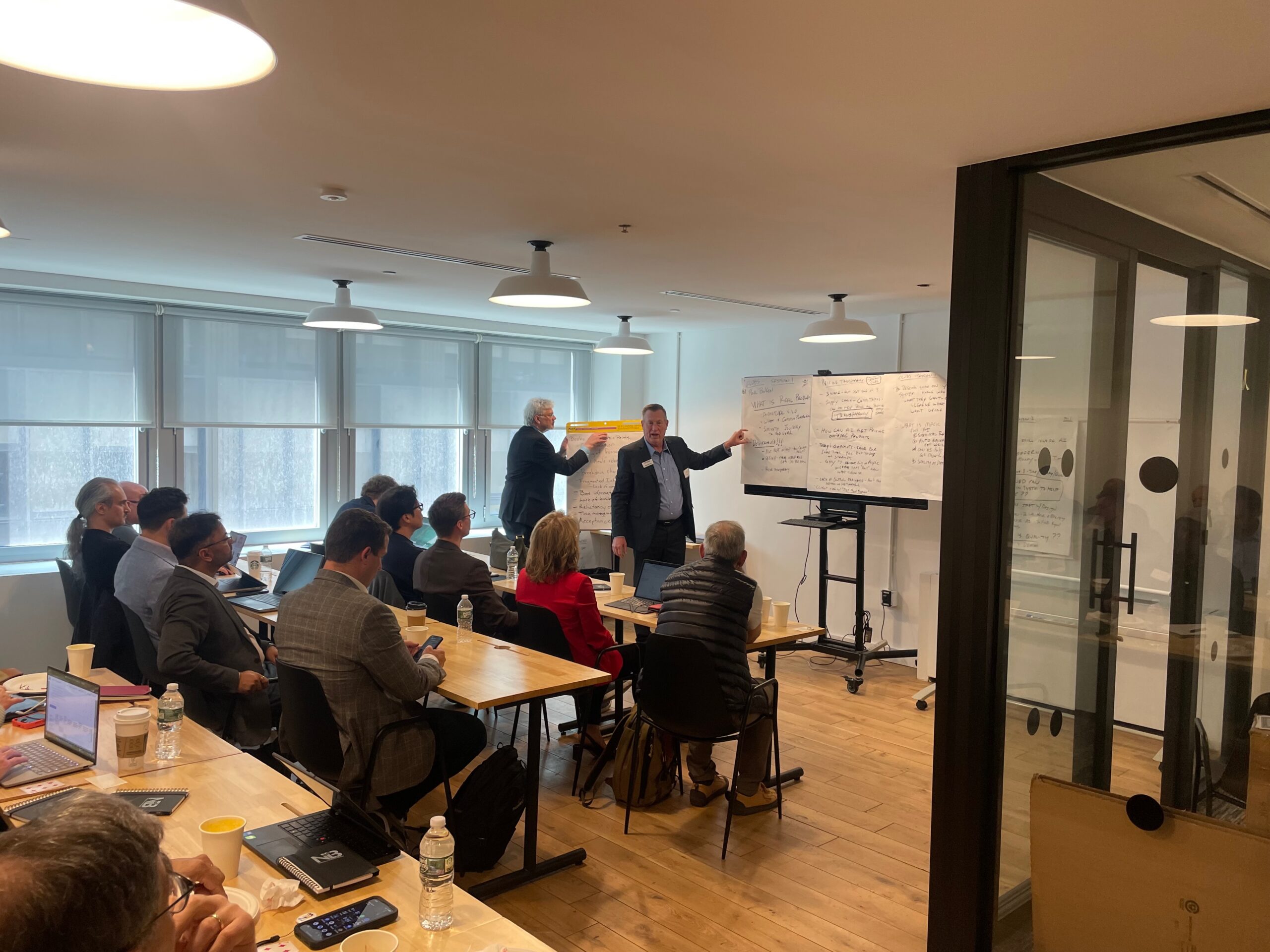
On Monday, 13 April, while manufacturers rushed to assemble booths for LEDucation, a select group of 30 industry leaders met quietly a few blocks away to focus on AI. There were no product pitches and no networking. Instead, the session was tightly curated—an invitation was hard to earn and impossible to ignore.
The National Lighting Bureau convened the group for a focused AI Think Tank. From the start, the tone was clear: artificial intelligence is not a future topic. Rather, it is already reshaping the industry.
Participants included lighting designers, manufacturers, agents, distributors, educators, non-profits, and consultants. As a result, the discussion quickly moved past theory. It focused on real use cases where AI can solve long-standing operational problems.
 A Fragmented Industry Meets a Unifying Technology
First, fragmentation dominated the conversation. Today, information remains siloed across stakeholders. Consequently, projects suffer from delays, inefficiencies, and miscommunication.
However, AI offers a way to connect these gaps. It does not replace professionals. Instead, it improves how information flows between them. As a result, participants pointed to better communication, faster decisions, and greater transparency as immediate gains.

In particular, lighting designers emerged as a key opportunity. AI already supports specification writing, drawing generation, fixture comparisons, and QA reviews. Because these tasks take significant time, the efficiency gains are both clear and measurable.
Data and Quality: The Foundation for AI Success
At the same time, one question surfaced repeatedly: what defines quality? AI depends on clear standards and reliable data. Without both, results will vary. For example, inconsistent product data and legacy systems remain major barriers. Therefore, standardization is no longer optional—it is essential.
In addition, supply chain visibility stood out as urgent. Better insight into lead times, substitutions, and logistics would reduce friction across projects.
Human Relationships Still Lead
Even with the focus on technology, the group agreed on one point: relationships still drive the lighting business. AI should remove administrative work, not replace trust. In turn, professionals gain more time for collaboration, creativity, and client engagement.
Likewise, knowledge capture is critical. Much of the industry’s expertise still sits with individuals. AI, therefore, can help preserve that knowledge and make it accessible across teams.
Cultural Barriers and Governance Challenges
However, adoption is not just technical—it is cultural. Resistance, unclear use cases, and limited leadership alignment continue to slow progress.
At the same time, governance requires attention. Confidentiality, liability, and human oversight must be clearly defined. Without these guardrails, AI cannot scale effectively.
From Insight to Action
As a result, the Think Tank outlined clear next steps:
- Define quality standards across design, products, and outcomes
- Standardize product and specification data
- Launch targeted, low-risk pilot programs
- Keep humans in the approval loop
- Train the workforce in AI literacy
- Use AI to strengthen—not replace—relationships
The Path Forward
Mary Beth Gotti, Chair of the NLB stated, “The AI Think Tank utilized a whole new format for our NLB organization. Thank you for making it a success. For those of you who are members of the NLB – thank you for your support. If you are not a member of the NLB, consider joining us so that we can continue in our quest to ‘Advance Lighting Knowledge’.”
The conversation has started. Now the work begins.
Read the summary report here.