








Luminaire Level Lighting Control Takes Center Stage at ArchLIGHT Summit
For a brief minute, your humble editor thought he was at NYControlled with so much talk about Luminaire Level Lighting Controls as I attended two back-to-back sessions at the 2025 ArchLight Summit.
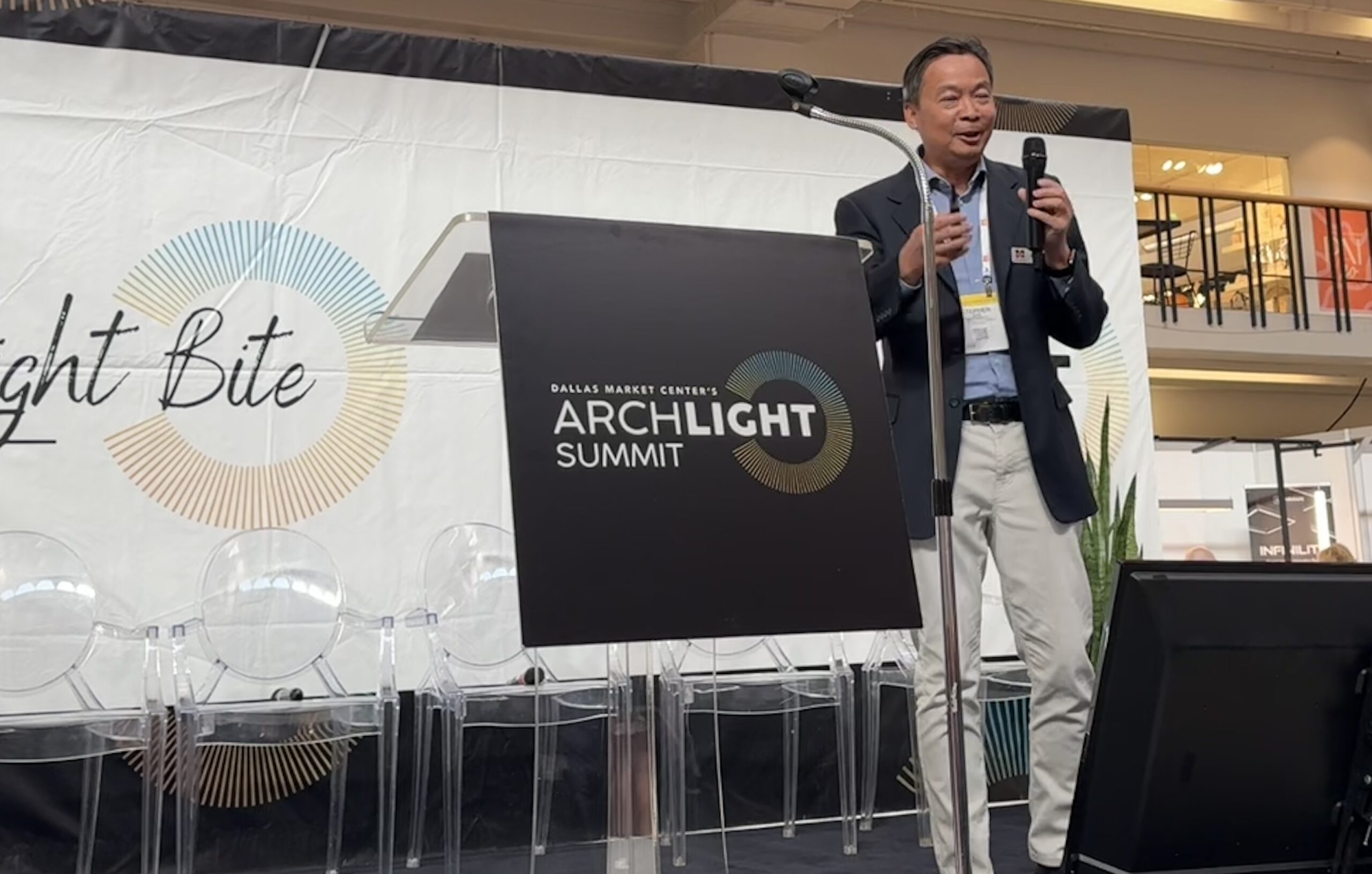
The second session, Luminaire Level Lighting Control (LLLC) as a Key Element of Lighting Design, delivered a deep exploration of how wireless mesh technology and fixture-level intelligence are reshaping the lighting controls market. Moderated in a roundtable style, the discussion featured Peter Augusta of Casambi Technologies, William Norris of Airlight, Scott Rosenfeld of the Smithsonian Institution, and Stephen Zhou of mwConnect.
Peter Augusta: Framing the Conversation
Peter Augusta, VP of Sales for Casambi Technologies North America, set the stage by emphasizing the seismic shift underway. “Lighting controls have gone through enormous changes over the past three decades,” Peter said. “From the old relay panel to occupancy sensors and proprietary networks, we are now standing at the precipice of a paradigm change with wireless mesh.”
He explained that luminaire level controls are not only about convenience but about rethinking design. “The technology doesn’t just give us capabilities we didn’t have before—it also changes the marketplace through openness, interoperability, and reduced reliance on services.”
Scott Rosenfeld: Lessons from the Smithsonian
Scott Rosenfeld, Lighting Designer at the Smithsonian American Art Museum and Renwick Gallery, brought a designer’s lens. “At the Renwick, we were working with relays and screw-based sockets, and I had to use DMX just to push the boundaries,” Scott explained. “But at the American Art Museum, we control 12,000 luminaires individually—half of them with color-tuning capability.”
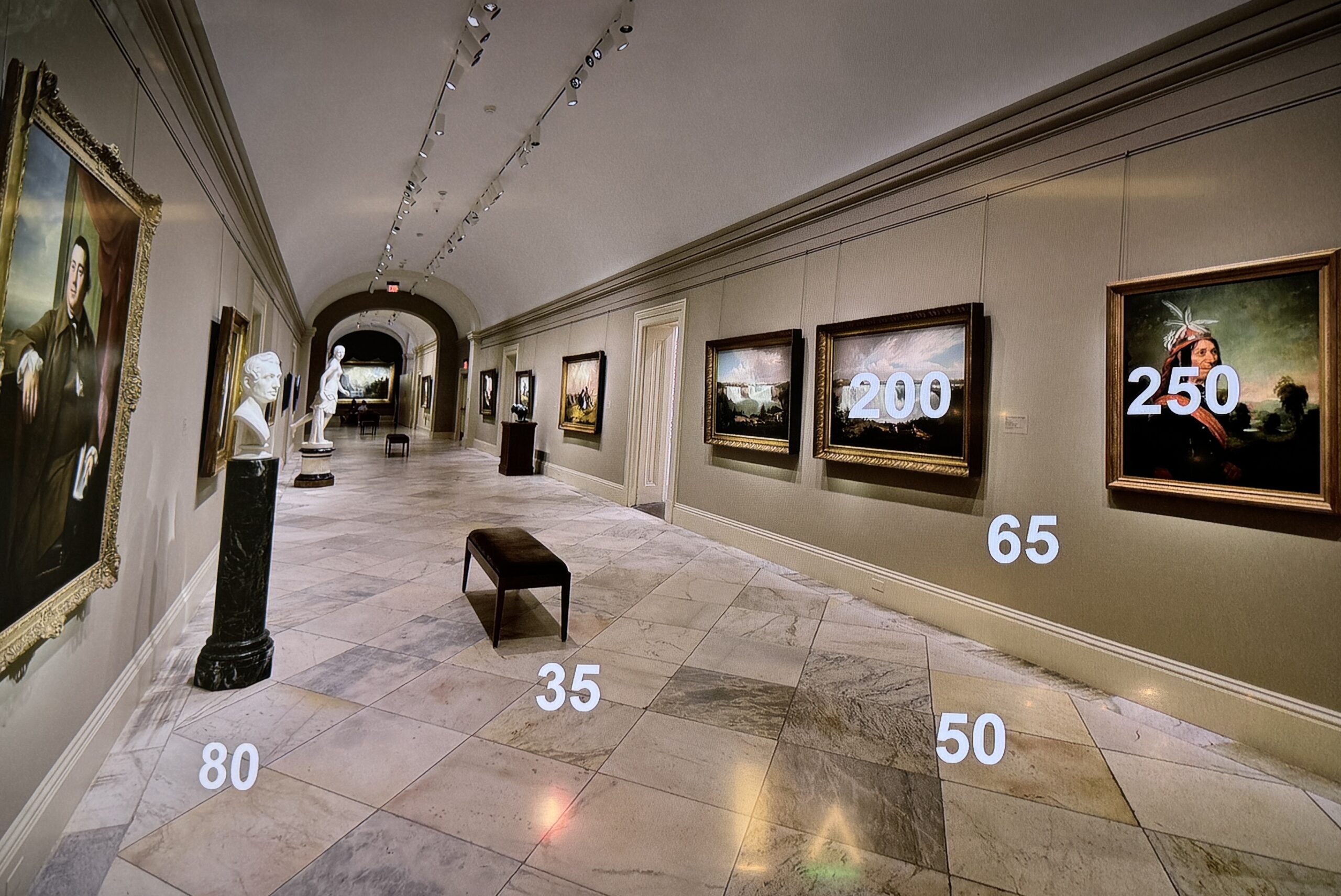
Scott described how LLLC has transformed storytelling in the museum environment. “With luminaire level lighting, I can tune every painting, every layer—the wall, the frame, the artwork itself. That means telling the artist’s story with light.” He even used a Thomas Hart Benton mural to demonstrate how sections of the artwork could be illuminated in sequence to narrate its themes.
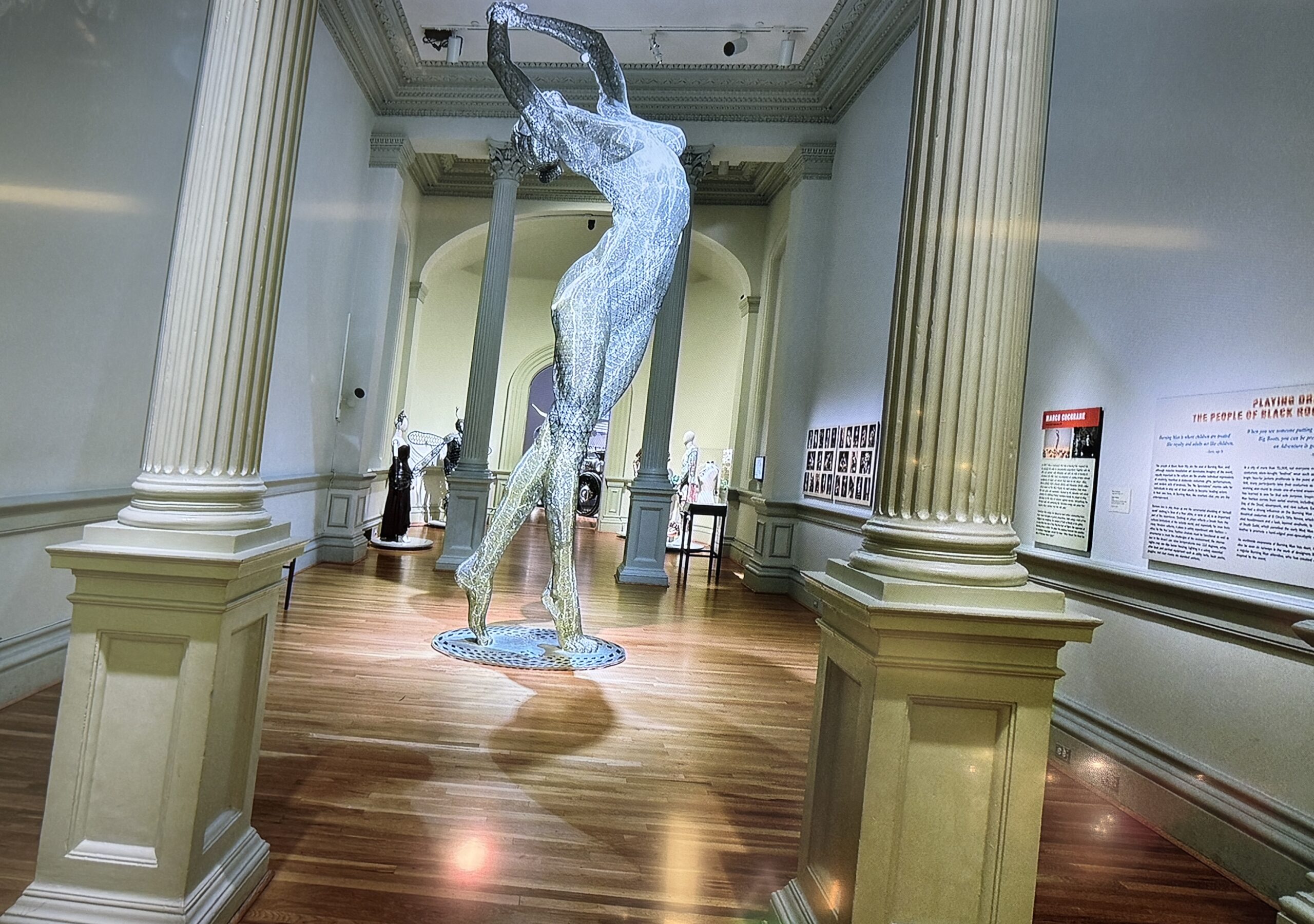
While Scott admitted the systems were complex, he highlighted their longevity. “The commissioning took time, but the system has worked well day after day. And with that control, we cut lighting energy by 86% compared to our old incandescent loads.”
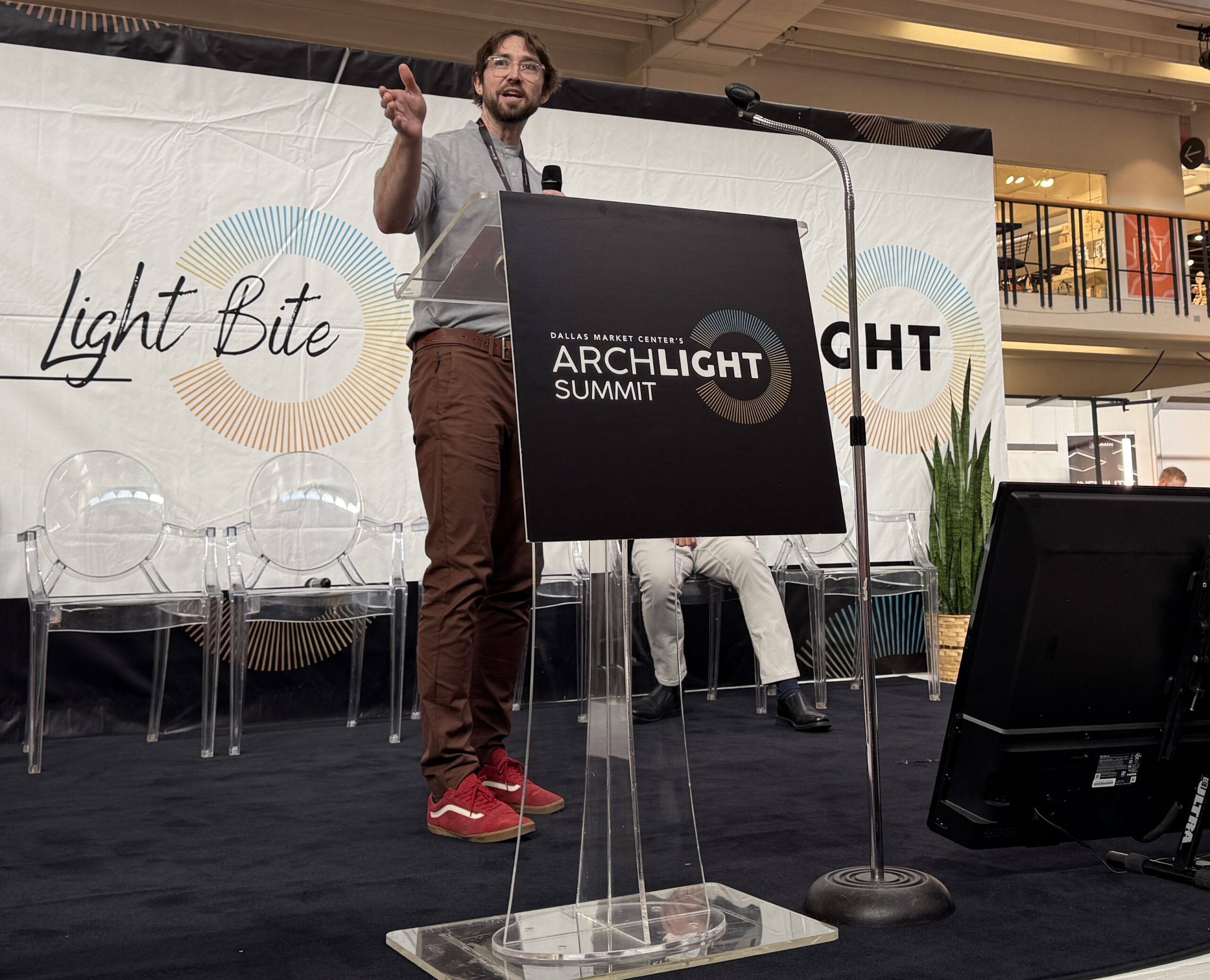
William Norris: Making It Accessible
William Norris, Co-founder and Principal of Airlight, shifted the focus from museums to commercial spaces. “Scott showed us how controls tell a story in a museum. I want to show how they can tell a story in a restaurant—or in economics,” Will said.
He used a hospitality example: “At lunch, you want brightness and quick table turns. At dinner, you want warmth and comfort so guests linger over drinks. Controls make that transformation seamless.”
Will also stressed practicality and cost. “The market in North America often resists advanced controls because of perceived cost. But wireless systems are getting cheaper, easier to use, and less dependent on technicians. If you can update LinkedIn on your phone, you can control your lighting system.”
His core message was universality. “A good system should never limit designers. Whether the fixture is zero-to-ten, DALI, or Bluetooth, the platform should unify them. Engineers shouldn’t be the discipline of ‘can’t.’ Users want beauty, adaptability, and simplicity.”
Stephen Zhou: The Case for DALI
Stephen Zhou, Executive Vice President at mwConnect, brought the perspective of global standards. “To control luminaires individually, you need a protocol they can all understand,” Stephen said. “That’s what DALI provides—an open, bi-directional standard backed by over 400 members worldwide.”
Stephen pointed out that DALI’s evolution has solved past interoperability issues. “Earlier versions were criticized because products didn’t always talk to each other. But with today’s certification process, more than 5,000 devices—from drivers to sensors—are guaranteed to work together.”
He also noted that DALI is no longer just wired. “DALI+ brings native wireless capability, certified and interoperable. It won the technology category at this year’s LightFair Design Excellence Awards.”
Stephen closed by underscoring cost efficiency: “Compared to traditional zero-to-ten systems, DALI wiring is simpler, scalable, and reconfigurable without rewiring. For emergency circuits, the fixtures can even default to full output automatically if the bus signal is lost.”
Takeaway
The ArchLIGHT Summit panel reinforced that luminaire-level lighting control is not just a technical upgrade but a fundamental shift in how lighting is designed, installed, and experienced. From the Smithsonian’s artistic storytelling, to Airlight’s pragmatic economics, to mwConnect’s push for DALI, the message was clear: LLLC is no longer experimental. It is the future of lighting controls.
Go Deeper: ArchLIGHT Summit: Vision for Luminaire Level Lighting Controls