







Zachary Pearson Brings a Next-Generation Focus to IESNYC
The young section president of IESNYC, Zachary Pearson, discusses education, emerging professionals, industry engagement and the responsibility to deliver value.
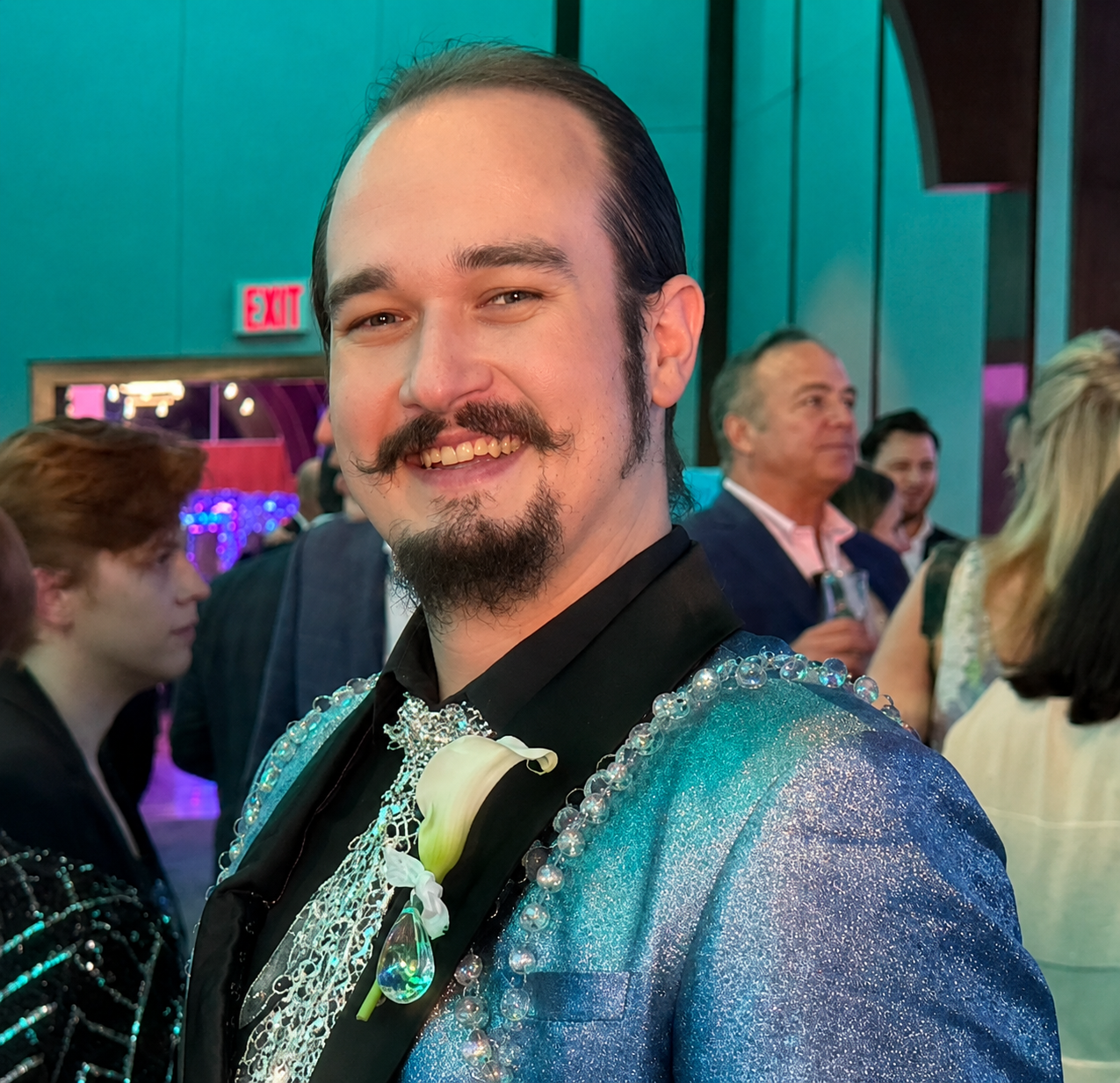
During IES26 in Denver, I sat down with Zachary Pearson, president of the Illuminating Engineering Society’s New York City Section. Zachary began his two-year term in January 2026 after serving as vice president. In addition to his volunteer work, Zachary is a designer for FISHER MARANTZ STONE.
His election represents an important milestone for IESNYC. According to Zachary, the organization believes he is the youngest person elected president of the section while still in his 20s. He has since crossed into his 30s, but his commitment to the next generation remains central to his presidency.
“I think having that young energy certainly speaks volumes,” Zachary said. “It speaks well of the New York City Section that they elected me and trusted me with that mission.”
From Scholarship Recipient to Section President
Zachary’s relationship with IESNYC began when he received the section’s Merit Scholarship as a student. The award introduced him to the section’s leadership and helped him build relationships throughout New York’s lighting community.
That experience continues to shape how he views scholarships and student programs. Financial support matters, but the connections created through these programs can prove equally valuable.
“It is not only the immediate award, recognition and support,” Zachary explained. “It really is building a network, too.”
Many former recipients later join committees or serve in other volunteer roles. Zachary followed that path from student involvement to committee service, vice president and, eventually, president.
His progression illustrates the type of professional pipeline he now wants the section to strengthen.
Creating a Path for Emerging Professionals
Education and emerging professionals stand at the center of Zachary’s agenda.
He wants IESNYC to create a natural progression from student to emerging professional. From there, young people should have opportunities to find mentors and build lasting careers in lighting.
The challenge does not necessarily come from a shortage of talent. Instead, many people simply discover the lighting industry later than they find other professions.
“Lighting is rarely a career that people discover early on,” Zachary said.
Lighting designers often arrive from architecture, engineering, theater or other disciplines. Zachary wants the section to introduce students to lighting sooner and help newcomers connect with established professionals.
IESNYC’s Thesis awards support that goal. Graduate students from participating lighting programs can submit their final thesis work for review. The section recognized three students this year.
The awards currently involve programs at Parsons School of Design, the Lighting Research Center and New York School of Interior Design. In addition to recognizing strong academic work, they bring students into contact with professionals who may become future colleagues or mentors.
A New Leadership Calendar
IESNYC recently moved its leadership calendar to a January-to-January schedule to align with the larger Society.
Previously, leadership transitions connected more closely with the Lumen Awards schedule. Under the new system, incoming officers have additional time to prepare before assuming their positions in January.
Zachary sees value in the progression from vice president to president and then past president. The structure provides continuity while giving each incoming leader time to learn the role.
The past president also leads the nominations process. Zachary believes that responsibility creates a natural handoff. An outgoing president understands the section’s direction and can help identify people who will carry that work forward.
A Broader Table for New York Lighting
IESNYC has approximately 600 members, along with a much larger mailing list. Its reach extends beyond lighting designers to architects, engineers, manufacturers, representatives, distributors, integrators and theatrical professionals.
That diversity matters to Zachary.
When the section recently added new board members, it intentionally looked beyond the groups that have traditionally dominated lighting organizations. The new members included an engineer, a distributor, an integrator and someone from the theatrical lighting community.
“We are really encompassing the breadth of what we do,” he said.
The section currently has 20 board members. By bringing more perspectives into leadership, Zachary hopes IESNYC can better represent the full New York lighting community.
The strategy also supports better project outcomes. Designers, architects, engineers and product professionals work more effectively when they already understand each other and share a common language.
Events Built Around Community
The Lumen Awards remain one of IESNYC’s signature events. However, the section’s calendar extends well beyond its best-known awards program.
IESNYC also helps lead Moonlighting, a collaborative event with DLFNY and IALDNY. The section takes a similar approach to its annual holiday gathering being shared with other New York City organizations.
Instead of having several industry groups host competing parties, the organizations come together for one larger community event.
Regular section meetings usually take place in the evening. Rather than relying on one permanent location, IESNYC rotates among sponsor showrooms, design offices and other spaces.
The rotating format gives members an opportunity to experience different environments and see what participating companies are doing.
Delivering Value in a Tightening Market
Like many professional organizations, IESNYC faces a more difficult sponsorship environment. Manufacturers and other supporters receive requests from a growing number of events and industry groups.
Zachary has not seen an immediate financial shift within the section, but he recognizes that companies are becoming more selective.
“Everything is tightening,” he said. “We are making an effort to think about what value we are giving to those who sponsor us.”
That means the section cannot assume that successful programs from the past will continue to meet current needs. Leaders must listen to members, sponsors and supporters. They must also remain willing to adjust.
Zachary considers that one of his presidency’s biggest challenges. IESNYC must continue delivering meaningful education and community programs while ensuring that sponsors receive clear value for their investment.
Turning an Equity Task Force into a Committee
IESNYC also converted its equity task force into a standing committee this year.
The committee works with Equity in Lighting and develops events that help more people find a voice within the industry. One recent program featured drag bingo, combining community building with a broader message of inclusion.
Lighting has traditionally leaned toward engineering and other technical disciplines. Zachary wants the section to reflect the diversity, personality and creative energy of the people who now make up the profession.
“We want to make sure that we are as diverse, enthusiastic, colorful and excited as our community is,” he said.
Looking Toward the Future