







Only 1.3% of the respondents in the Pompeo Group’s Q3 2026 Lighting Executive Survey indicated plans to exhibit at LightFair’s successor, Light + Intelligent Building North America. That is one of the most striking findings in the Pompeo Group’s Q3 2026 Lighting Executive Survey. The survey also found that executives expect artificial intelligence to change the skills they seek more than workforce size, and that controls integration, industry consolidation, and manufacturing costs are the major forces shaping the lighting industry.
What Executives Said About LightFair’s Successor
Light + Intelligent Building North America is scheduled for 15-18 MAR 2027 at the Las Vegas Convention Center, organized by Messe Frankfurt in partnership with IES and IALD. Among survey respondents, 49.3% did not currently plan to participate. Another 25.3% planned to attend without exhibiting, 17.3% were considering participation, and 6.7% said it was too early to determine.
The executive analysis also reported that almost half of the manufacturers polled did not recognize the event’s name.
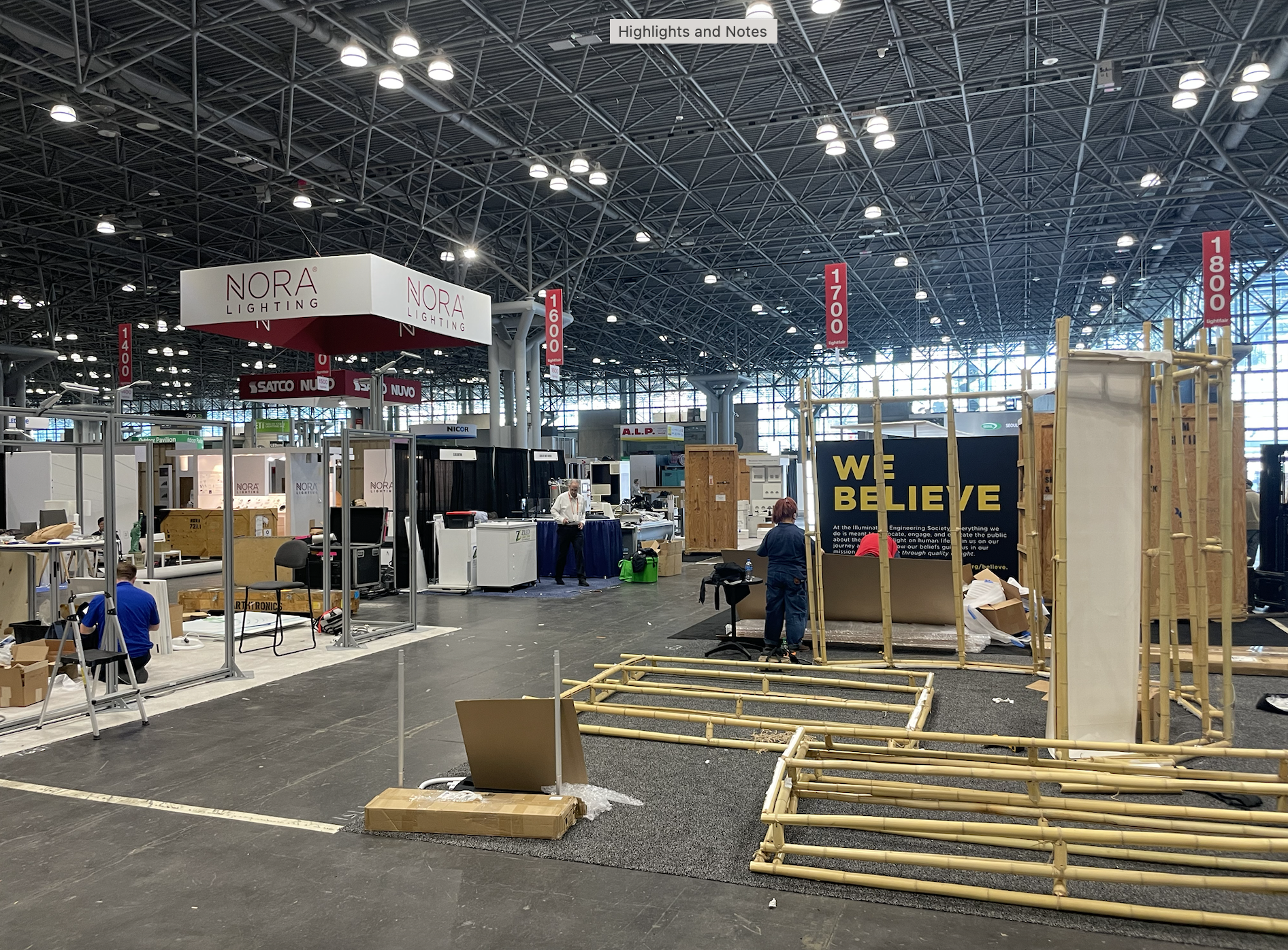
LightFair has meant a great deal to our industry—and to your humble editor personally. Since founding EdisonReport 27 years ago, I have attended every LightFair. For many years, it was the most important event on our calendar. Manufacturers unveiled products, representatives strengthened relationships, and designers discovered ideas for their projects. For many of us, LightFair was the gathering place where we planned our industry year.
I spoke with Paul Pompeo about the results, and he shared my disappointment. Paul emphasized his longstanding support through attendance, advertising, and speaking at the event.
We both want Light + Intelligent Building North America to succeed. During my meeting with the Messe Frankfurt team last week, I appreciated their commitment to navigating challenges they inherited. They also outlined an education program that I believe will be a particular strength of the event. At the same time, the industry has more ways to connect than ever before, and participation habits have shifted.
These findings offer a difficult snapshot of that environment. Reporting them brings us no satisfaction. We care about this show, respect the people working to sustain it, and wish the results told a more encouraging story.
Awareness and Value Both Need Attention
Manufacturers and rep agencies showed the greatest reluctance to participate: 54.7% of manufacturers and 60% of rep agencies said they did not currently plan to participate. The good news is that Lighting design firms appeared more receptive, with roughly two-thirds either planning to attend or considering participation.
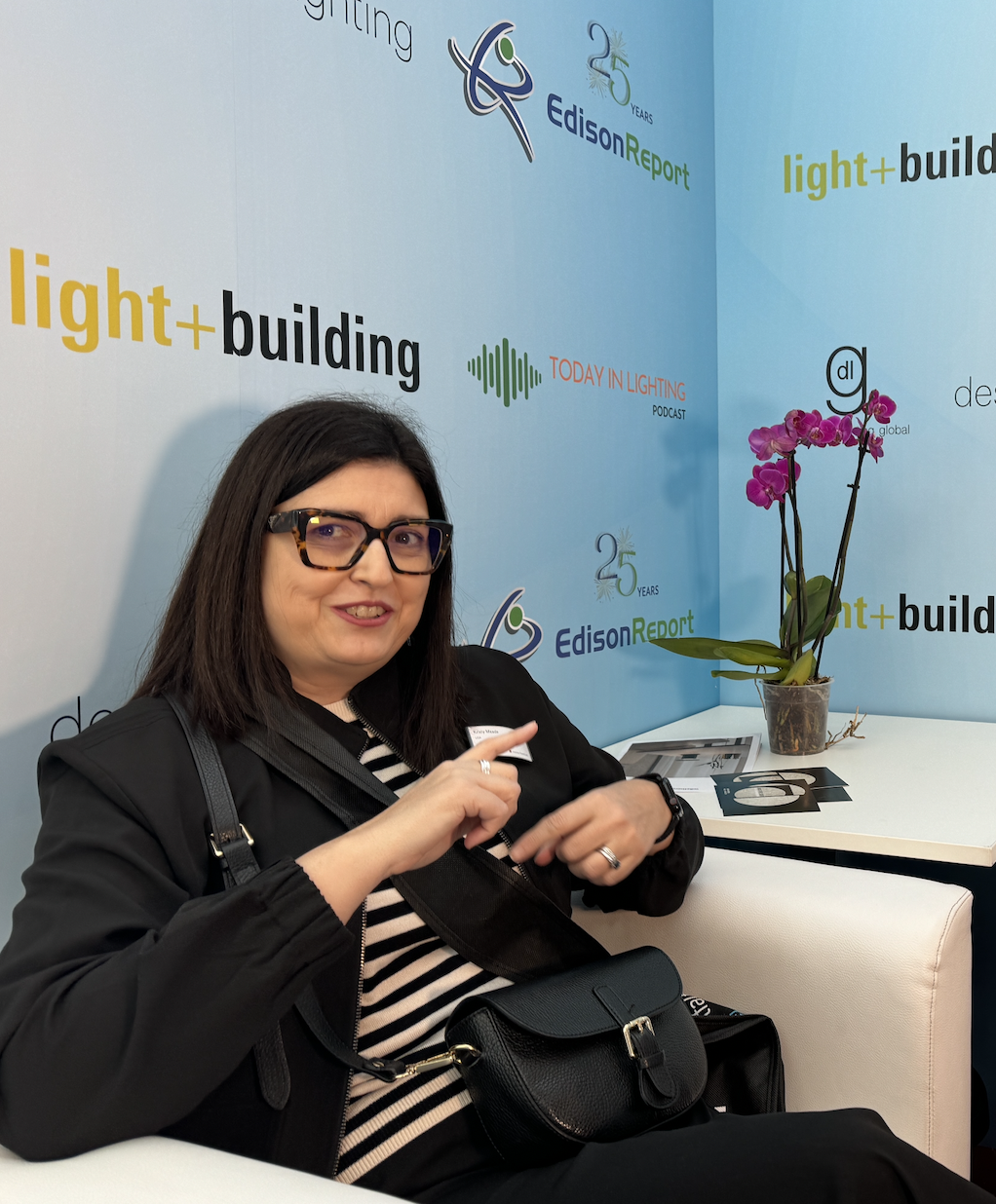
Messe Frankfurt Responds:
“We take the findings seriously. We recognize that the lighting industry is shifting, both in how people choose to connect and in the forces reshaping the business. That’s why we’re bringing the intelligent building into the mix. Your article notes that executives rank controls integration as the biggest force in lighting over the next three years. Light + Intelligent Building North America is built around that convergence, and we’re working hard to close the awareness gap and show real value to manufacturers and reps.”—Kristy Meade, Vice President of Technical Shows
AI Changes Skills More Than Headcount
Among respondents, 38% expected AI to have little or no impact on workforce plans over the next 12 months. Another 36% expected it to change the skills and experience sought more than the number of people hired. Only 12.7% expected AI to reduce staffing needs in certain functions. Another 12% said it was too early to tell, while 1.3% expected increased hiring through new opportunities and roles.
The results suggest a measured outlook. Most participating executives anticipated either limited immediate workforce effects or a shift in employee capabilities. For employers, that could mean placing greater emphasis on adaptability, technological fluency, analytical ability, and judgment. Employees may increasingly need to understand how to use AI effectively within their existing responsibilities.
However, the survey measured expectations, rather than actual staffing changes. Its findings describe how executives currently see the next 12 months.
How Manufacturers, Designers, and Reps See AI
Company types showed different expectations. Among manufacturers, 41.5% expected AI to change the skills and experience they sought more than hiring volume. That was the strongest response to this option among the company categories. Lighting design firms took a different view: 66.7% expected little or no near-term workforce impact.
Rep agencies divided evenly between changing skill requirements and little workforce impact. Meanwhile, distributors expressed greater uncertainty, according to the executive analysis.
Those differences suggest that AI adoption will unfold unevenly across the lighting business. The immediate opportunity—and the pressure to adapt—may vary considerably by role and organization.
Controls, Consolidation, and Tariffs Shape the Lighting Industry
Asked what would have the greatest impact on lighting over the next three years, respondents selected several closely ranked forces:
28.8%: Intelligent buildings and controls integration
26.8%: Industry consolidation
22.2%: Tariffs, reshoring, and manufacturing costs
17.9%: Data centers and electrification
4.4%: Sustainability and energy codes
Controls integration led narrowly, followed by consolidation. Consequently, the results describe an industry managing several changes simultaneously.
The answers also varied by company type. Manufacturers placed the greatest emphasis on controls integration. Rep agencies emphasized consolidation, while lighting design firms focused most strongly on tariffs and manufacturing costs, followed by sustainability and energy codes.
The comparatively low overall ranking for sustainability and energy codes does not establish that those issues lack importance. It indicates that respondents more frequently selected other developments as having the greatest impact.
Leadership Lessons Remain Human
Despite the focus on technology and market disruption, executives repeatedly returned to people when discussing leadership lessons. One respondent put it succinctly: “Growth requires alignment, not just ambition.” Others emphasized finding employees who fit the organization, establishing clear accountability, and making personnel or resource decisions sooner.
Adaptability also emerged as a recurring theme. Several respondents acknowledged that past approaches may no longer produce the same results. However, others cautioned against overreacting to outside noise. Together, those responses describe a demanding leadership balance: move decisively when change is necessary while maintaining a clear direction.
About the Survey Respondents
Manufacturers represented 70% of participants, followed by lighting design firms at 12%, rep agencies at 8%, distributors at 5%, and other businesses at 5%. Nearly three-quarters held positions as CEOs, presidents, vice presidents, other C-suite executives, or principals.
The supplied analysis did not include the total respondent count, field dates, or sampling details. Readers should therefore treat the findings as a snapshot of participating executives’ views. When respondents selected multiple answers, the methodology divided their responses equally among those choices, giving each participant the same overall weight.
The strongest thread running through the results is the continuing importance of judgment. Executives expect new technology, changing markets, and competitive pressures to demand more from their organizations. Yet their leadership lessons still center on choosing the right people, communicating clearly, and knowing when to act.
Taken together, the Pompeo survey captures an industry reassessing the skills it needs, the opportunities it pursues, and where it invests its time and resources. Those same decisions shape participation in Light + Intelligent Building North America. The findings are sobering, but our hope for the show remains sincere. We respect its history, appreciate the team carrying it forward, and would welcome a successful gathering that gives the industry fresh reasons to come together.