






Invictus Lighting LLC has filed a patent infringement lawsuit against Signify North America Corporation in the U.S. District Court for the District of New Jersey. The suit alleges that Signify’s LED lighting products infringe U.S. Patent No. 9,801,245, which covers Invictus’s innovative “wattage selectability” technology. Invictus claims that Signify manufactures, sells and distributes lighting products that incorporate this feature without authorization. As a result, this prompted legal action to protect its intellectual property.
The lawsuit is interesting because usually things are the other way around. Historically, it is Signify who sues other lighting manufacturers for patent infringement. For example, your humble editor has just returned from Las Vegas. There, I sat in on the Signify vs. Lepro patent infringement trial.
What Is the 245 Patent?
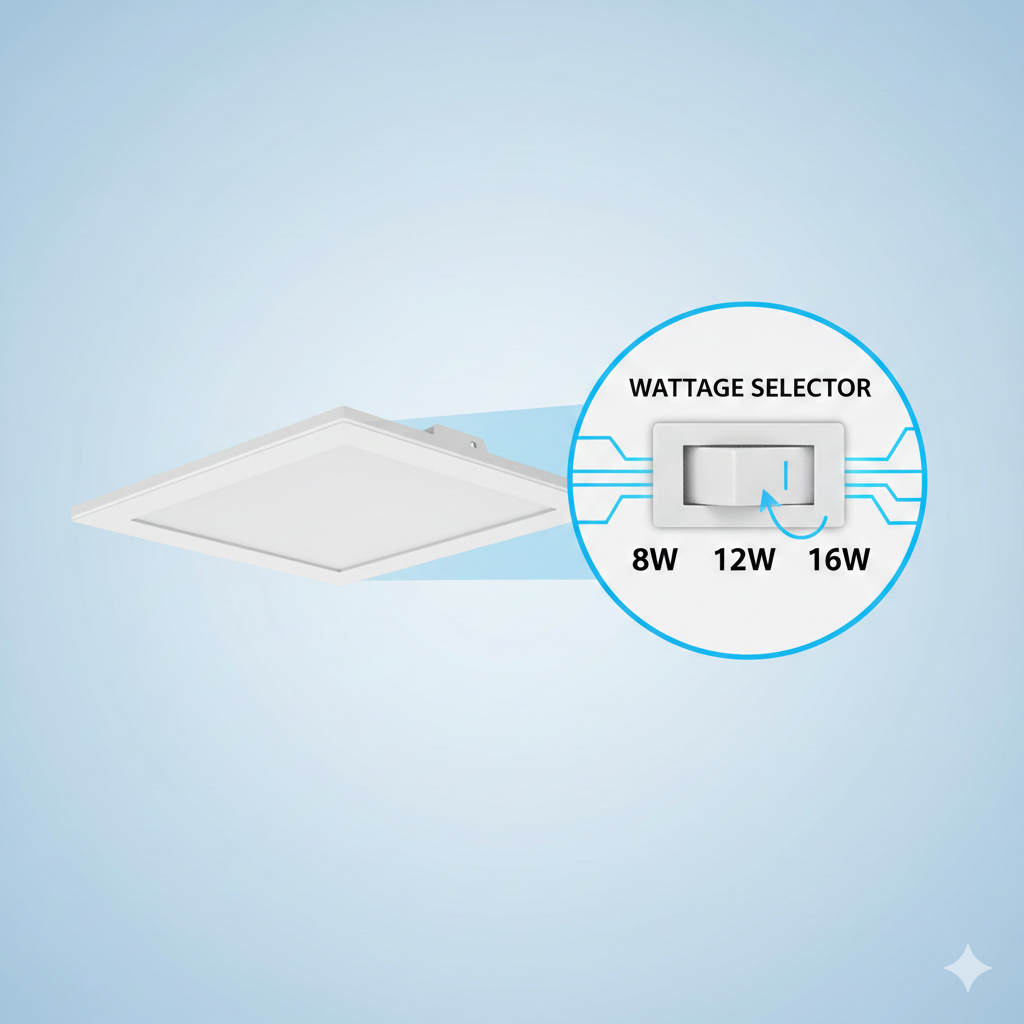
The 245 Patent, titled “Light Fixture,” was issued on October 24 ,2017 and does not expire until July 28, 2034. The patent describes a lighting apparatus featuring an adjustable resistor that allows installers to set a maximum wattage output for the fixture. In addition, this wattage limiter works in tandem with a dimmer control (such as a standard 0–10 V dimmer) to provide both maximum output control and fine‑tuned dimming. Invictus markets this capability as “wattage selectability.” This feature streamlines inventory by letting one fixture replace multiple fixed‑wattage models. Furthermore, the technology has been recognized by the Design Lights Consortium as a “Field Adjustable Lighting” category. It has been installed in high‑profile locations, including U.S. government facilities.
Allegations Against Signify
Invictus alleges that certain Signify LED products infringe the claims of the ‘245 Patent by offering adjustable wattage and lumen output. The suit asserts that Signify’s actions constitute unauthorized use, sale and importation of products embodying Invictus’s patented technology. Therefore, Invictus seeks damages and injunctive relief to halt further infringement.
Patent disputes in the lighting industry underscore the value of innovation and the competitive stakes among manufacturers. Invictus’s wattage‑selectable technology addresses energy efficiency and regulatory compliance, making it attractive for specifiers and end users seeking flexibility. If the court finds Signify liable, the decision could influence how lighting companies approach field‑adjustable fixtures and encourage licensing agreements or new product development strategies.